Why my Bambu Lab X1C still feels like the printer that changed everything
I have had my Bambu Lab X1 Carbon for years now, and it still feels like one of those rare tools that actually delivered on the promise. It did not just make printing faster. It made 3D printing feel more dependable, more approachable, and a lot easier to fold into real projects.
The printers before the X1C
The X1C was not my first printer, which is part of why I appreciate it so much. I started with an Anycubic Photon resin printer, and the print quality was cool, but I hated the mess. Resin printing can make beautiful parts, but the cleanup, gloves, alcohol, smell, curing, and general handling made it feel like the printer owned too much of the room.
After that I moved into filament printing with an Ender 3. It had issues, but it also taught me a lot. Modding it, tuning it, chasing problems, learning what every adjustment did, and figuring out why a print failed all made me better at understanding 3D printers. Then I ended up with a second Ender 3, because by that point I knew enough to make them useful, even if they still demanded attention.
Eventually I sold those machines and moved to a Prusa Mini. That was a real improvement. It worked great in a lot of ways, and it showed me how good filament printing could feel when the machine was built around consistency instead of constant tinkering. But even the Prusa had its issues, and I still felt like there was a better version of this workflow out there.
That is why spending the money on the X1C felt like such a big turning point. It was not just buying a faster printer. It was buying my way out of a lot of friction I had already lived through. Resin mess, Ender 3 troubleshooting, modding, tuning, and the good-but-not perfect Prusa Mini all led to the same conclusion: I wanted a printer that mostly got out of my way.
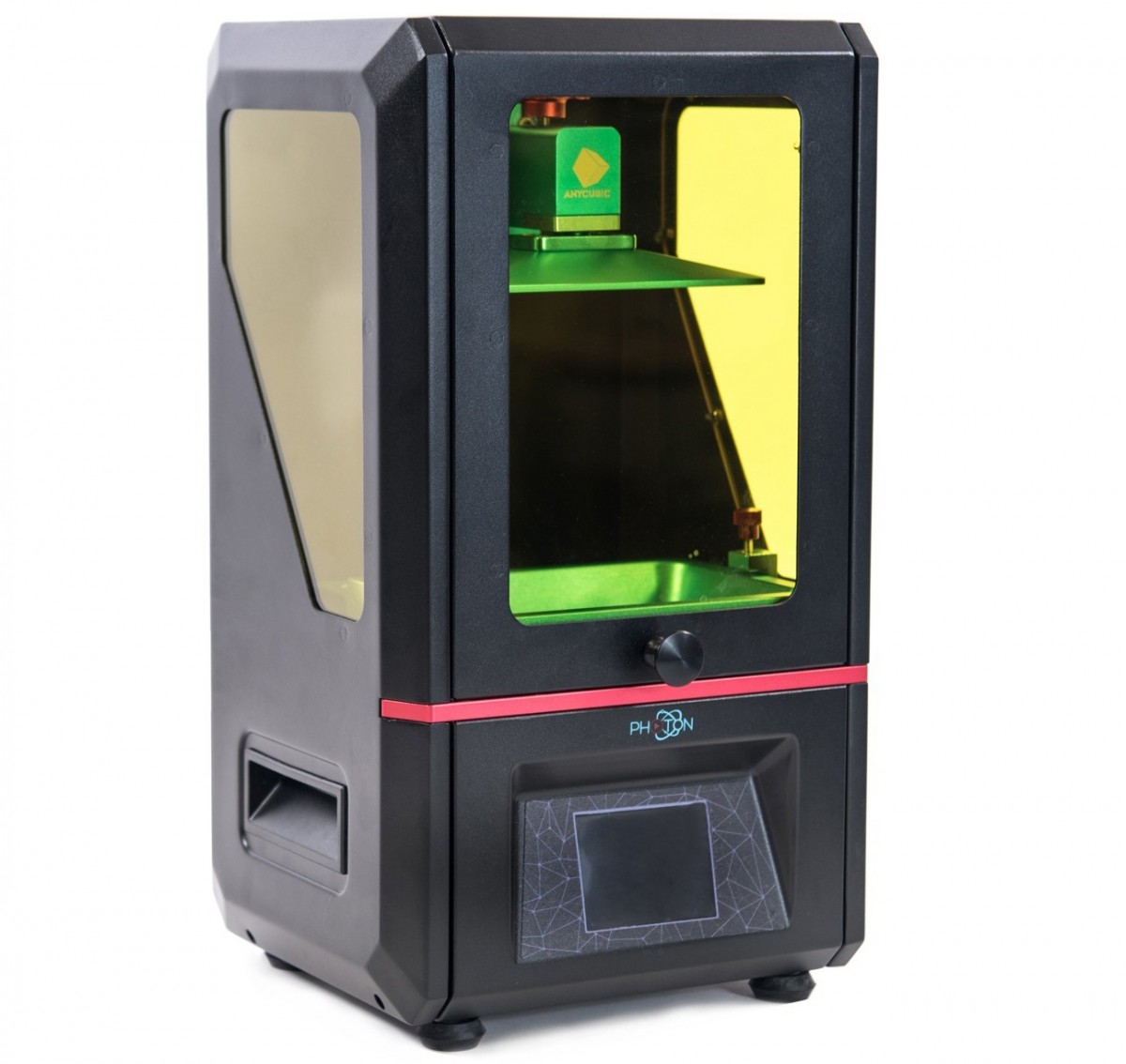 Anycubic Photon
Great detail, too much resin mess.
Anycubic Photon
Great detail, too much resin mess.
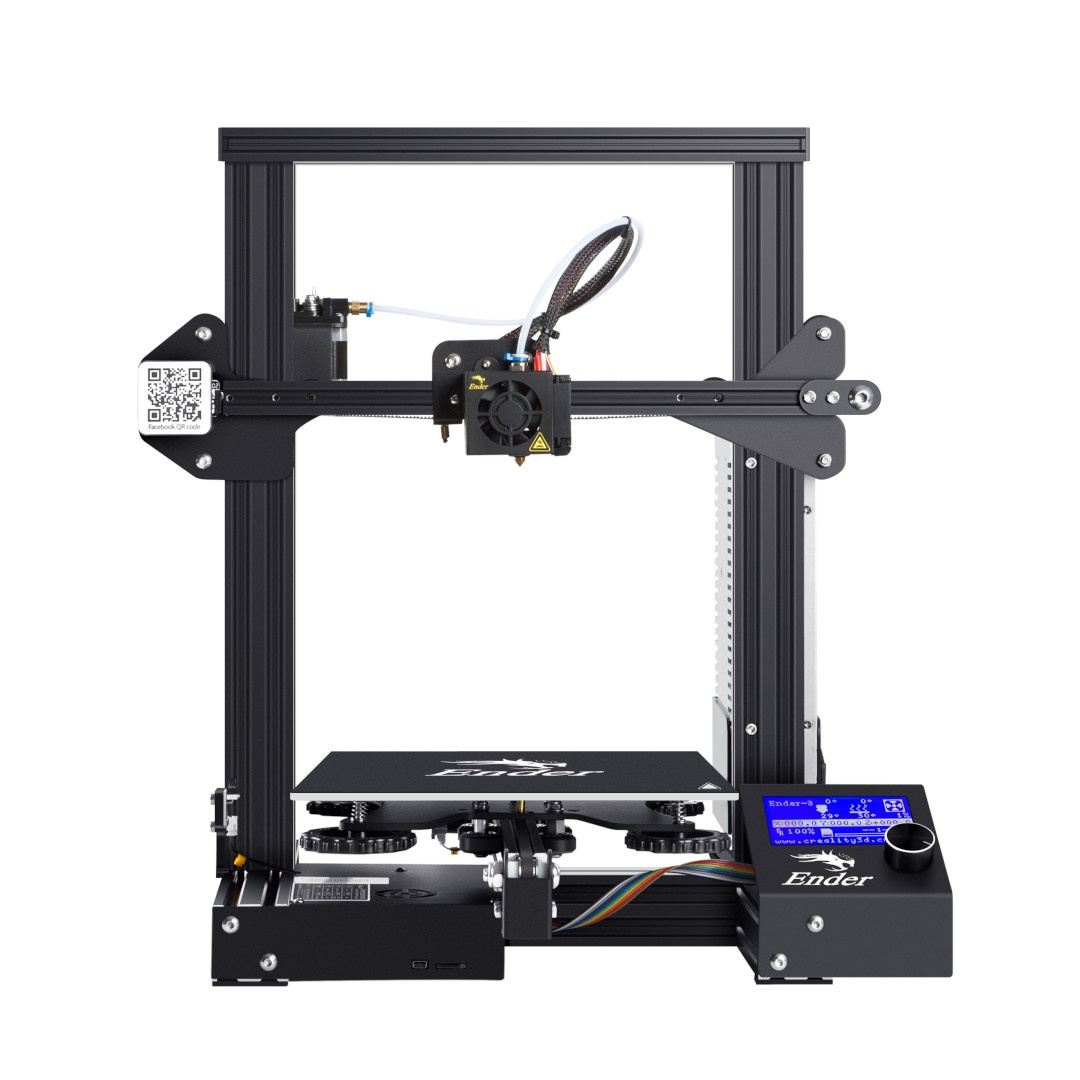 Ender 3s
Two machines, lots of modding, lots learned.
Ender 3s
Two machines, lots of modding, lots learned.
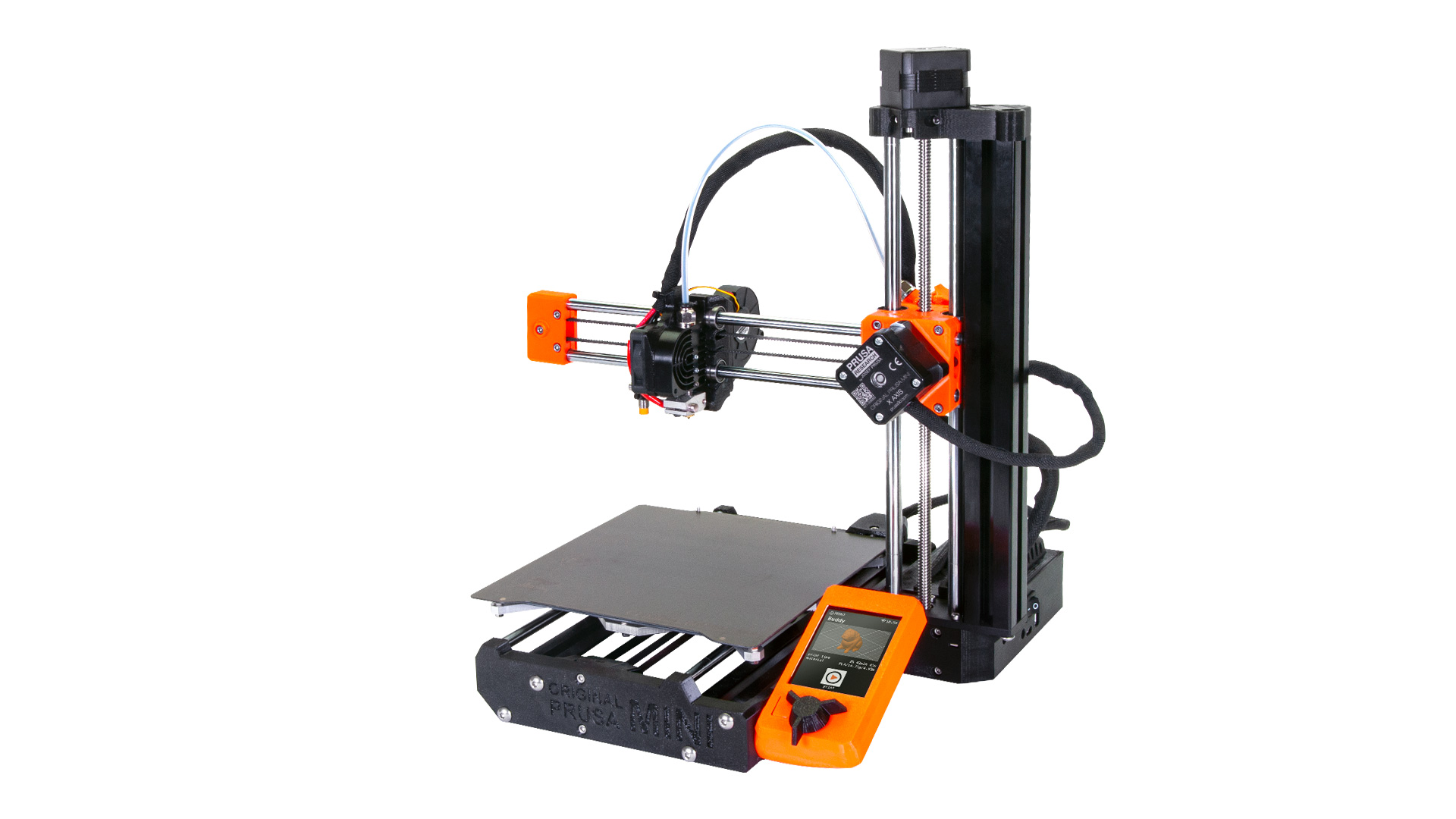 Prusa Mini
Better and more consistent, still imperfect.
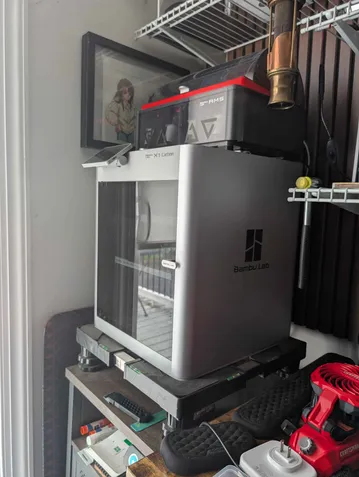
Bambu Lab X1C
The first printer that really got out of my way.
Prusa Mini
Better and more consistent, still imperfect.
Bambu Lab X1C
The first printer that really got out of my way.
Product images sourced from TechGearLab, Fiskomp, and Prusa Research. The X1C image is my own setup.
The X1C made printing feel reliable
Before the X1C, a lot of 3D printing felt like babysitting a machine and hoping the first layer did not decide to ruin the day. The X1C changed that rhythm for me. It became the printer I could actually trust for prototypes, brackets, cases, adapters, toys, utility parts, and random ideas that show up at the worst possible time.
That reliability matters more than a spec sheet. When a printer works consistently, you stop treating every print like an event. You start using the machine as part of the workflow. Design something, send it, check it, revise it, and keep moving.
That is why I can say the X1C feels years ahead of a lot of other brands I have used. The print quality is excellent, but the ease of use is what really changes the relationship. I am not spending my energy earning the right to print. I am spending it making the thing I wanted to make.
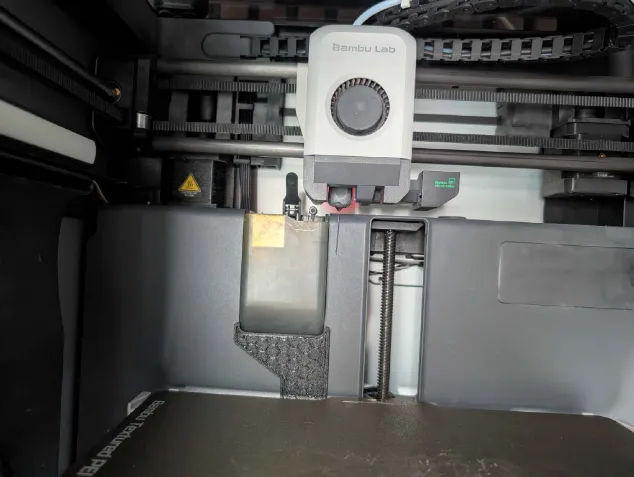
It turned ideas into normal workshop behavior
The biggest compliment I can give the X1C is that it made 3D printing feel normal. Not boring, but normal in the best way. If I need a quick part, I can make one. If I want to test an enclosure, I can print a rough version first. If a design needs another pass, I do not feel like the printer is the thing slowing me down.
That is why it has been such a good long-term machine. The X1C lowered the friction between "I should make that" and "I made that." For practical printing, that is the whole game.
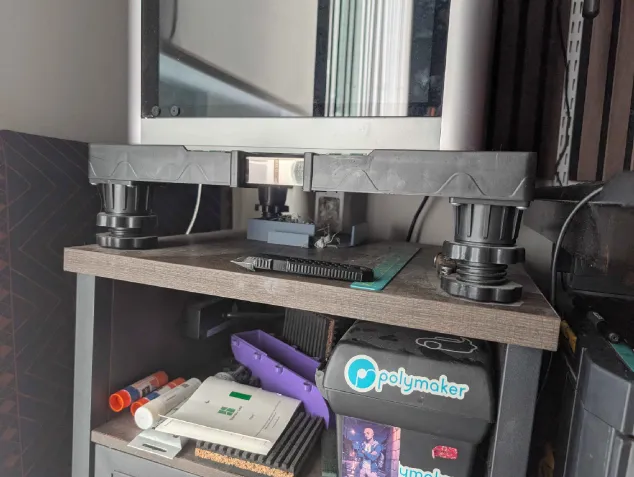
The X1C has stayed useful because it is fast enough, accurate enough, enclosed enough, and dependable enough that I keep reaching for it without turning every print into a troubleshooting session.
The AMS made color and material choices easier
The AMS side of the Bambu ecosystem also changed how I think about printing. Having multiple filaments ready to go makes it easier to use the right color, swap materials between jobs, label parts, and make objects that are more readable without painting or post-work.
It is not magic, and multi-color printing still has tradeoffs around waste and print time. But the convenience is real. Once filament management gets easier, I am more likely to experiment. That is the kind of quality-of-life improvement that sticks with you over years, not just during the first week of owning a printer.
Bambu Studio has grown up with the printer
The hardware is a big part of why the X1C has been so good, but the software deserves credit too. Bambu Studio has changed a lot over time, and the useful part is that those changes have mostly made the whole process feel more connected: slicing, filament handling, printer status, AMS slots, calibration, project setup, and sending a print all live in one place.
Recent versions have kept pushing that direction with better filament management, device-page filament controls, color tools, assembly-guide features, H2C support, and a steady stream of quality fixes. I do not need every new feature every day, but I do notice when the software gets better at remembering the boring details for me. That is where a slicer becomes part of the shop instead of just the thing you open before a print.
For the way I print, the important thing is confidence. I want to pick a material, trust the profile, slice the job, check the preview, and send it without feeling like I need to fight the software first. Bambu Studio is not perfect, but it has become one of the reasons the X1C still feels like a complete ecosystem instead of just a fast machine.
eSun PETG has become my default
My current favorite filament has been eSun, and at this point I basically only print in PETG. PLA has its place, but PETG fits the kind of parts I actually care about: durable, practical, slightly flexible, less brittle, and better suited for things that might get handled, bumped, mounted, shoved into a drawer, or used around the shop.
The best part is that eSun PETG on the X1C has been boring in the exact way I want filament to be boring. I load it, use a sane profile, and it prints. I am not constantly fighting adhesion, mystery clogs, weird layer issues, or fragile parts that look nice but fail the second they get used for something real.
That combination is why I keep coming back to it. The X1C gives me the dependable machine, Bambu Studio keeps the setup organized, and eSun PETG gives me parts that feel like they were printed to be used, not just photographed.
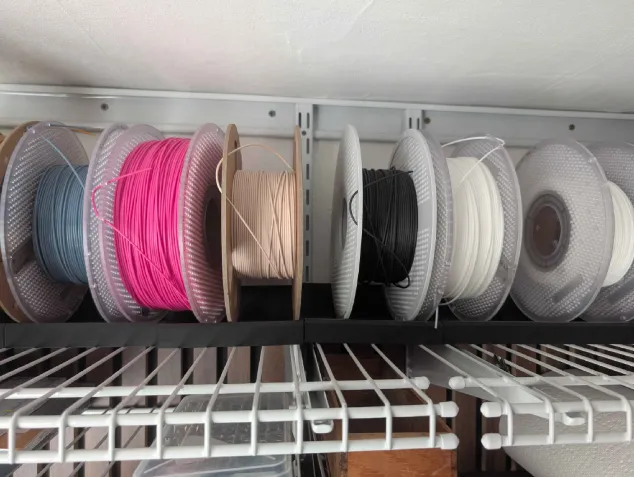
Why the H2C is on my future wishlist
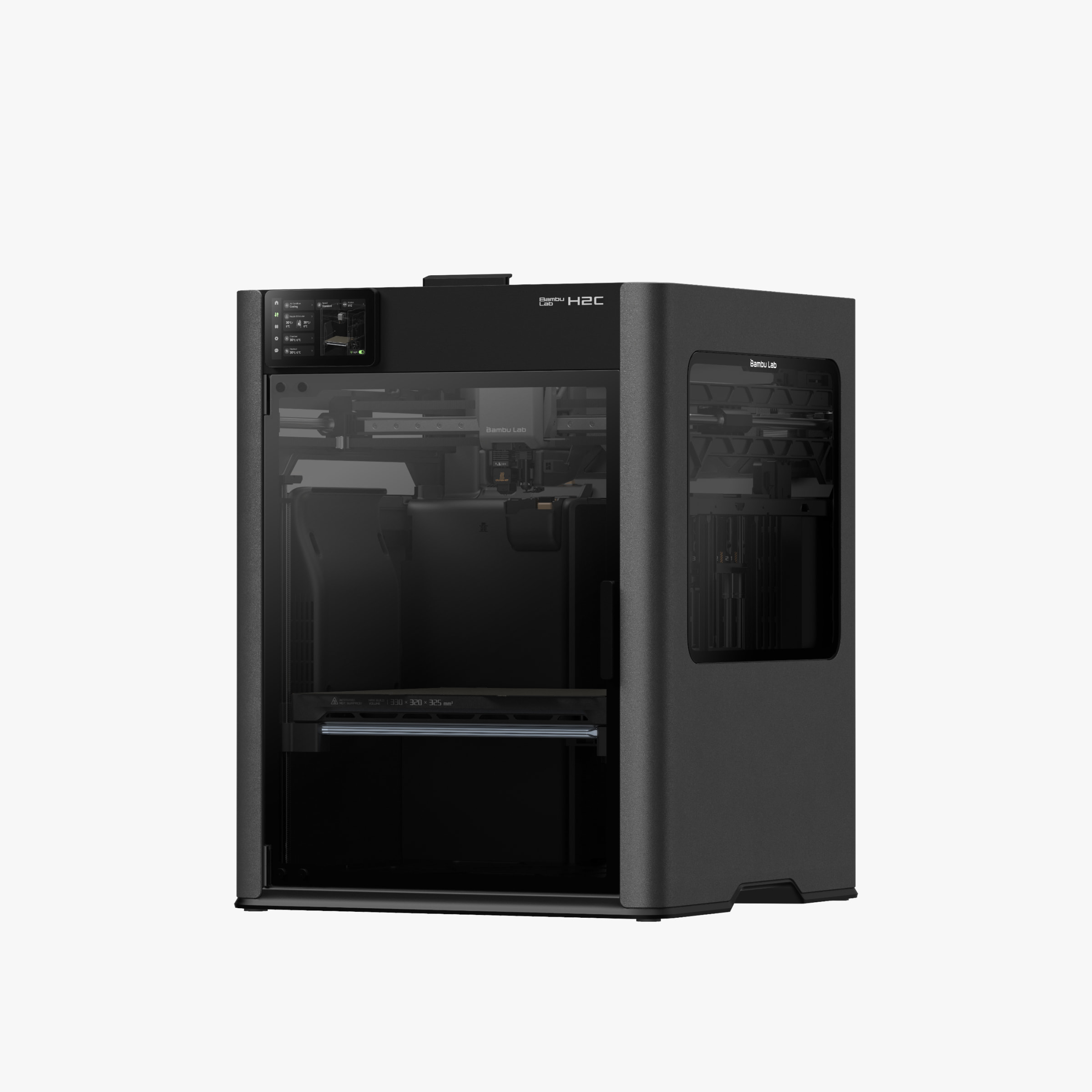

That is what makes the Bambu Lab H2C so interesting to me. The H2C is built around Bambu's Vortek hotend changing system, where the printer can swap between hotends instead of treating every material or color change like a long purge-heavy process. Bambu describes it as a tool-changing approach for multi-material and multi-color printing, and that is exactly the kind of evolution that gets my attention.
I do not need every print to be a rainbow statue. What I want is practical flexibility: quicker changes, less wasted filament, faster multi-material jobs, and more room to use different nozzle/material setups without turning the printer into a weekend maintenance project.
Quick-changing heads fit how I actually make things
The quick-changing head idea matters because real projects are not always one-material jobs. A printed tool might need strong body parts, readable labels, a flexible bumper, or a different nozzle size for speed versus detail. A prototype enclosure might need one setup for rough drafts and another for a cleaner finished face.
Anything that makes those changes more automatic makes the printer feel less like a single-purpose box and more like a small production machine. That is the future version I want: less manual fiddling, fewer compromises, and more confidence that I can go from idea to finished part without planning the entire day around filament swaps.
The X1C earned that trust
The reason I am excited about a future H2C is not because the X1C feels obsolete. It is the opposite. The X1C has been good enough for long enough that I trust the direction Bambu has been pushing: automation where it helps, speed without making the machine feel fragile, and an ecosystem that keeps reducing the annoying parts of printing.
After years with the X1C, I do not look at the H2C as a replacement for a bad printer. I look at it as the next step after a printer that has already proved how useful this kind of machine can be when it is reliable enough to become part of daily making.
What I want next
My ideal future setup is simple: keep the X1C doing what it already does well, then eventually add an H2C for the jobs where fast tool changes, cleaner multi-material printing, and reduced waste matter more. That would cover a lot of ground, from quick practical parts to more polished color/material projects.
The X1C made me believe a 3D printer could be a dependable shop tool instead of a hobby project that constantly needs rescuing. If the H2C can bring that same feeling to quick-changing hotends and more advanced material workflows, it is absolutely the kind of machine I want in the future.